T-House, Wimbledon
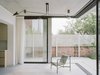
T-House demonstrates how existing 1960's housing stock can be carefully adapted to create sustainable, characterful homes that are both practical and uplifting places to live.
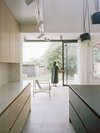
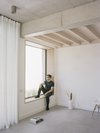
T House is a thoughtful transformation of a typical 1960s home, reimagined to better support contemporary family life. Through a carefully considered rear and loft extension, alongside a complete spatial reorganisation, the project turns a dark and fragmented house into a calm, light-filled home with a strong connection to the garden.
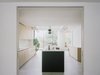
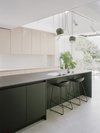
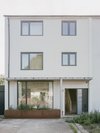
The original arrangement placed the kitchen and living spaces on the first floor, while the ground floor was occupied by a garage and guest accommodation. By relocating the primary living spaces to the ground floor, the design creates a more generous and welcoming sense of arrival, while establishing a natural flow between cooking, dining, and family living spaces.
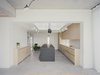
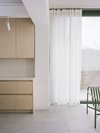
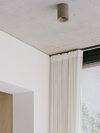
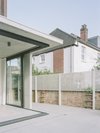
A new picture window to the front façade improves the relationship to the street and introduces daylight deep into the plan. To the rear, wraparound corner glazing dissolves the boundary between inside and out, filling the dining space with natural light and framing views of the garden. Subtle sectional changes and carefully composed openings create moments of visual connection throughout the house, giving the interiors both openness and intimacy.
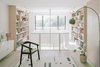
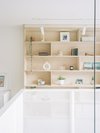
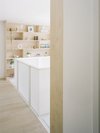
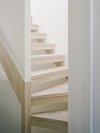
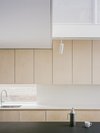
Materiality plays a central role in the character of the project. A restrained palette of white oak parquet flooring, birch-faced plywood joinery, exposed timber beams, and fair-faced reinforced concrete creates spaces that feel tactile, warm, and enduring. Inspired by the clients’ interest in honest materials and gallery-like interiors, bespoke cabinetry and adaptable joinery provide functional storage while allowing the spaces to remain calm and uncluttered.
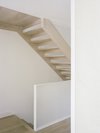
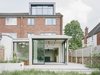
The rear extension is defined by its exposed concrete structure, which forms the finished ceiling to the principal living space and gives the project a sense of permanence and craft. Mesh balustrades to the main stair and library balcony maintain openness and visual continuity while filtering light through the interior.
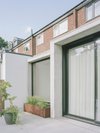
Environmental performance was embedded within the project from the outset. The concrete mix used throughout the extension achieved a significantly lower CO₂ content than standard concrete, while FSC-certified timber and locally sourced materials helped reduce environmental impact.
Natural light and ventilation strategies also shaped the design: a void between the library and ground floor draws daylight deep into the home and supports passive air movement, helping to moderate temperature and reduce reliance on artificial lighting and mechanical cooling systems.
- Architecture
- Matthew Giles Architects
- Interior Design
- Matthew Giles Architects
- Main Contractor
- Elson Homes Ltd
- Structural Engineer
- Harrison Short
- Photography
- Lorenzo Zandri